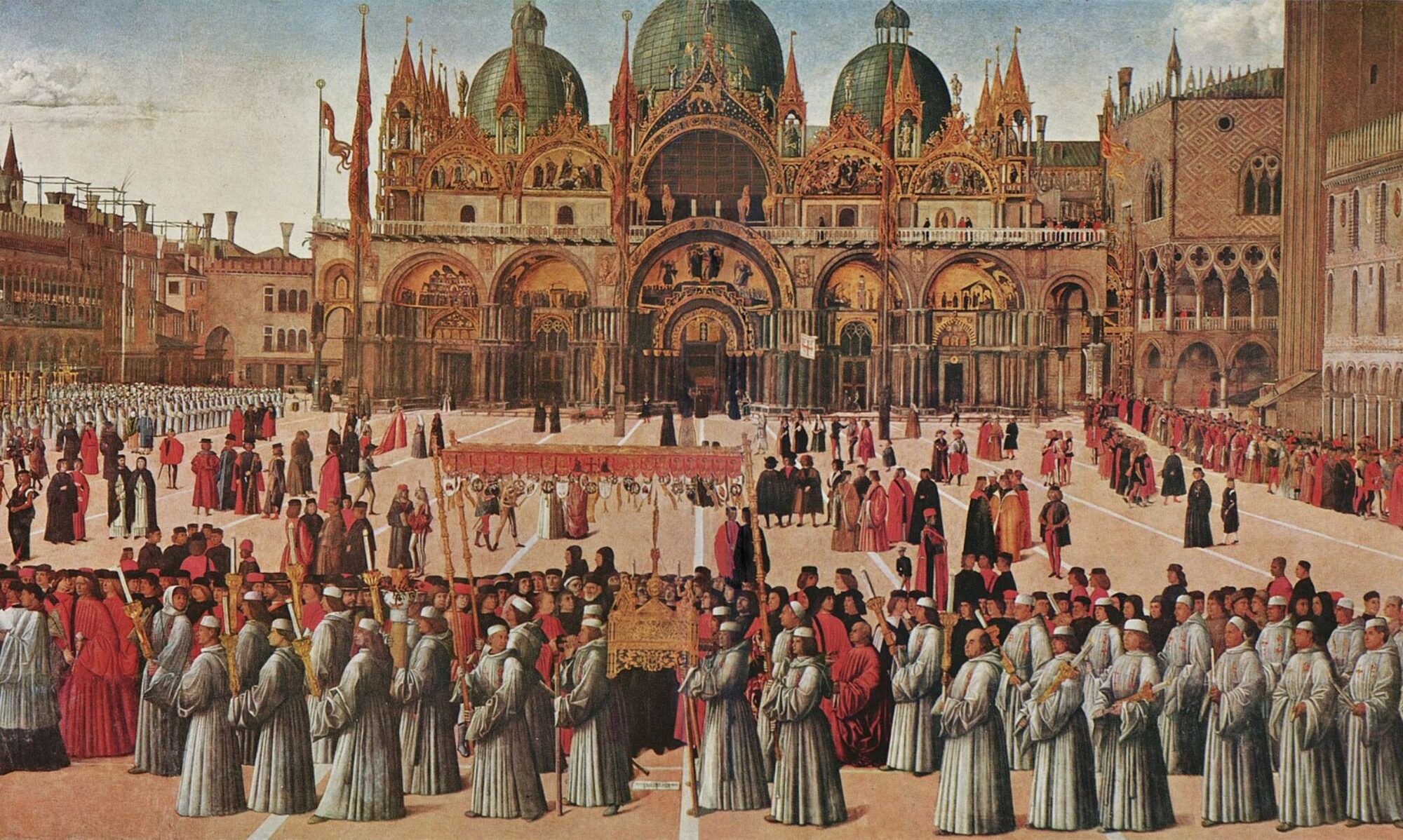
Ang Integrismo Catolico ay isang tradisyon ng kaisipan na itinatanggi ang paghihiwalay ng liberalismo ng politika mula sa pakikialam sa huling layunin ng buhay ng tao, at naniniwala naman na dapat patnubayan ng pamamahalang politikal ang tao patungo sa huling layuning niya. Ngunit dahil nahahati sa dalawa ang layunin ng buhay ng tao – isang pansamantala o temporal, at isang walang-hanggan – naniniwala ang integrismo na may dalawa ring kapangyarihan na namamahala sa tao: ang kapangyarihang temporal, at ang kapangyarihang espiritwal. At dahil naman ang layuning pansamantala ay nakapasailalim sa layuning walang-hanggan, nararapat lamang na ang kapangyarihang temporal ay ipasailalim rin sa kapangyarihang espiritwal.
The Josias Podcast, Episode XVII: Empire
Does natural law demand a world government?
Bibliography
- Pope Pius XI, Ubi Arcano, 1922.
- Henri Grenier, World Government is Required by Natural Law, The Josias, 2015.
- Rafael de Arízaga, Sovereignty and the Supreme Power, Pax in Bello, 2019.
Music: Johannes Brahms, Variations on a Theme by Haydn, Berlin Philharmonic, Gustavo Dudamel.
Header Image: The Spanish Riding School in Vienna.
If you have questions or comments, please send them to editors(at)thejosias.com.
Follow us on Facebook and Twitter.
Many thanks to our generous supporters on Patreon, who enable us to pay for podcast hosting. If you have not yet joined them, please do so. You can set up a one-time or recurring donation in any amount. Even $1 a month would be splendid.
Podcast: Play in new window | Download
Subscribe: RSS
Against Political Iconoclasm
By Nathaniel Gotcher
Introduction
There are many Catholics today who deny the necessity of promoting a Catholic political order. This denial is manifest in two strains of thought that sometimes coincide. The first is the idea that political order is amoral and pragmatic. It is primarily concerned with the material prosperity and security necessary for each person to pursue their goals. It may not legislate morality except insofar as it is clear that a given action harms another person by inhibiting their goals. The teaching of moral virtue above and beyond this is properly in the scope of ecclesiastical structures and individual families—in other words, moral formation belongs to the Church and the Family, not the State. The second idea is that political order itself is immoral and corrupt. Even the pragmatic concern for prosperity and security is tinged with the wickedness of men in power. Instead, religious institutions and private philanthropy ought to be in charge of the distribution of material goods so that the practice of charity renders the State unnecessary and frees us from the bondage of worldly political order.
Continue reading “Against Political Iconoclasm”