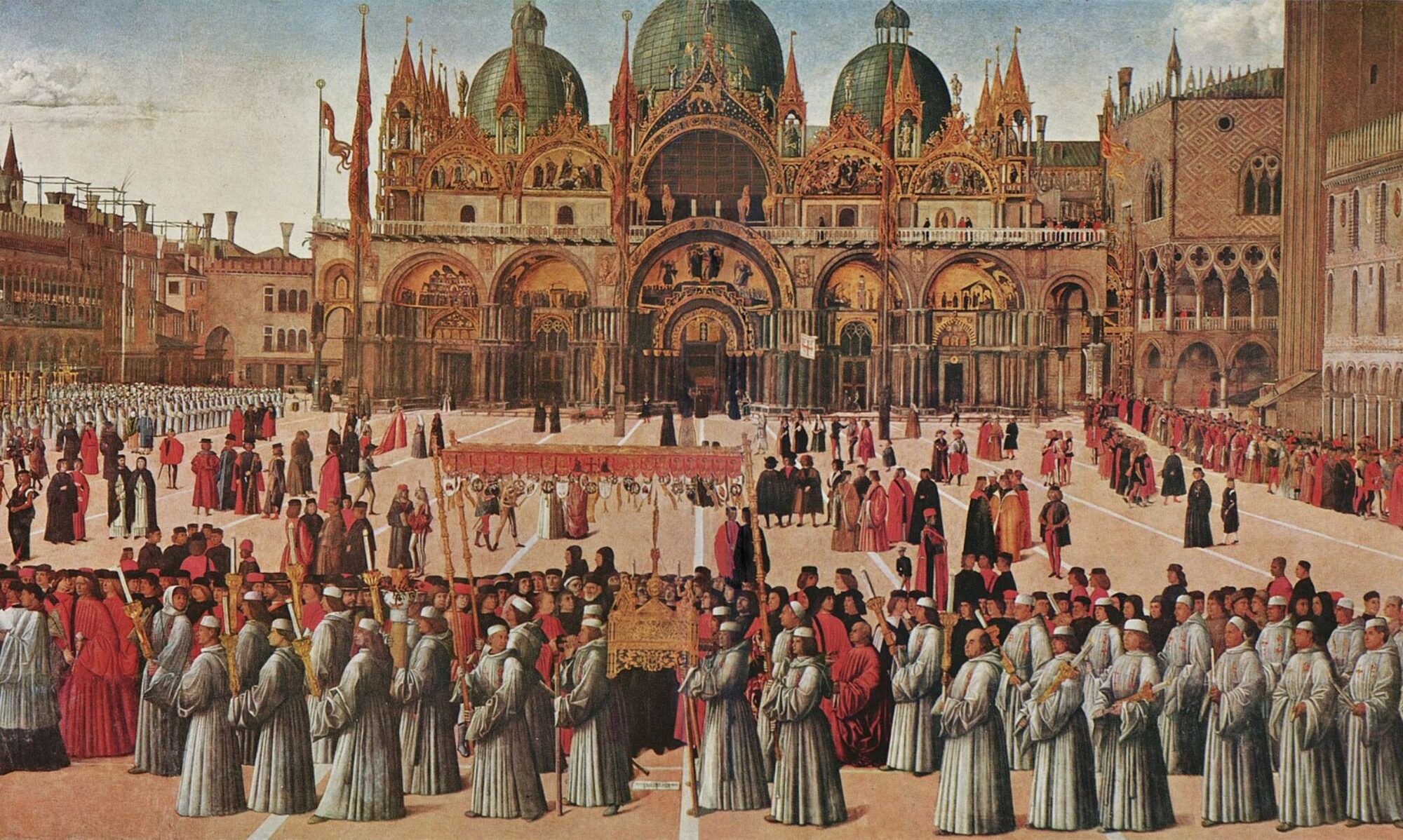
The editors are joined by special guest Daniel to discuss the Resurrection of Christ. Along the way they explore what it means for Christ to be New Adam, the necessity and fittingness of the Resurrection, and the meaning of the Resurrection both as the cause of the order of human society and the principle of the life to come. A very blessed Easter Season to all our readers and listeners!
Bibliography
- The Gospel according to St. Mark, chapter 16
- The Gospel according to St. John, chapters 20-21
- The Gospel according to St. Luke, chapter 3:23-38
- The Apocalypse of St. John, chapter 21
- Genesis, chapters 27-45
- The Epistle of St. Paul to the Romans (all of it)
- The First Epistle of St. Paul to the Corinthians, chapter 15
- St. Thomas Aquinas, Summa Theologiae, IIIa qq.53-56
- Pope Benedict XVI, Spe Salvi
Music:
Heinrich Ingaz Franz von Biber, Missa Salisburgensis, performed by Vaclav Luks with Collegium 1704
Header Image:Matthias Grünewald, The Ressurection of Christ (detail from the Isenheim Altarpiece).
If you have questions or comments, please send them to editors(at)thejosias.com. We’d love the feedback.
Follow us on Facebook and Twitter.
Many thanks to our generous supporters on Patreon, who enable us to pay for podcast hosting. If you have not yet joined them, please do so. You can set up a one-time or recurring donation in any amount. Even $1 a month would be splendid.
Podcast: Play in new window | Download
Subscribe: RSS